From Overwhelmed to Organized: How a Digital Template Can Help You Reset Mentally
In today's crazy world, it's easy to feel swamped. We're juggling work, home, projects, and notifications all the time. Our brains feel like messy drawers where we can't find a thing.
The good news is, the answer isn't to do even more! It's to set up systems that help you out. One thing that can really help you think straight again is a template to follow.
Why Mental Clutter Costs You
Before we get to fixes, let's look at what happens when you feel overwhelmed. It's not just about having too much to do. It's about how hard your brain has to work to keep track of every little thing.
Psychologists call these things open loops—unfinished tasks, decisions you haven't made, and information you haven't dealt with yet. Your brain keeps going back to them. One or two aren't a big deal, but a lot of them can freeze you up.
Studies show that we can only keep about four to seven things in our minds at once. If we try to keep track of more than that, we get tired of making decisions, can't focus, and feel like we're always behind. We end up spending more energy trying to remember what we need to do than actually doing it.
The stress that comes with all this doesn't just make us feel bad—it messes with how clearly we think, how well we make choices, and how creative we are. Feeling overwhelmed doesn't just slow us down; it changes how our brains work.
Why Normal Ways to Get Organized Don’t Always Work
You've probably tried to get organized before. Maybe you bought a nice planner that you used for a few days before forgetting about it. Or maybe you downloaded some fancy app that was too hard to set up, so you quit before you even started.
A lot of times, these methods don't work because they make you think even more instead of less. Planners mean you have to remember to take them with you, and they're hard to change when things change. Complicated apps make you learn new stuff and keep up with them, which is hard when you're already overwhelmed.
It's not you. It's that many systems weren't made for how our brains work today.

Try a Digital Template: Your Mental Reset
A digital template is different. Think of it as a ready-made structure that does the thinking for you. Instead of starting with nothing and feeling stressed, you start with everything in place. The hard part is already done—you just add your own details.
The great thing about these templates is that they're structured but also flexible. They guide you enough so you don't freeze up, but you can still change things to fit your life and work.
Here's why digital templates are great for hitting the reset button:
They remember things for you. Once something is in the template, you don't have to keep it in your head. Those open loops close. You can use the space in your mind to think, create, and solve problems.
They make things clear. When everything is in one place, you can see what you need to do. No more feeling like you're forgetting something—if it's not in the system, it doesn't matter.
They cut down on decision fatigue. The template decides where things go. You don't have to waste energy on should I put this here or there? Just use the system.
They're everywhere. Digital templates are online, so you can get to them from your phone, tablet, or computer. Your organized life goes with you.
Why Templates Work: The Psychology
There's a real reason why templates help us reset. Here are the main ideas:
Cognitive offloading means using tools to take some of the pressure off our minds. When you use a template, you're letting your brain stop working so hard to keep everything together. The template becomes your extra brain.
Structured flexibility is another key idea. Too much chaos is overwhelming, but things that are too rigid don't work either. A good template is in the middle—it gives you enough structure to feel safe, but enough flexibility to change things as needed. This balance is key for using it long-term.
Visual organization uses how our brains naturally process information. We're visual people, and seeing our tasks, goals, and promises laid out helps us understand what's important and how we're doing. A good template turns mental clutter into something you can see.
The Zeigarnik effect is when our brains get stuck on unfinished tasks. Just writing things down tells our brain that we've done something about them, which eases the tension. A template gives you a way to do that.
How to Actually Use a Template for Mental Reset
Having a template is one thing. Using it well is another. Here's how to use a template to clear your head:
Step 1: Empty Your Brain
Start by getting everything out of your head. Open your template and spend 15-30 minutes writing down every task, promise, idea, worry, and project that's taking up space. Don't organize yet—just get it all out. This is like dumping your backpack on the floor to see what you're carrying.
Step 2: Sort Things Out
Now it's time to organize. Most templates have categories that make this easy. Sort your brain dump into the right sections—work tasks here, personal tasks there, long-term goals somewhere else. As you sort, you'll probably see that the pile isn't as scary as you thought.
Step 3: Decide What's Important
Not everything is equally important, but when you're overwhelmed, it feels like everything is urgent. Use the template to decide what's most important—whether that's by color coding, numbering, or having different sections for must do today, this week, and someday. This is where you take back control by deciding what deserves your attention.
Step 4: Make a Schedule
Now that you know what's important, put things on your calendar. If your template has a calendar view, assign tasks to specific days or times. This turns a list into a plan. Instead of I have to do everything, it becomes I'll do this on Tuesday and that on Thursday.
Step 5: Let It Go
This is the most important step. Once everything is in the system, let it go from your mind. Trust that the template will remind you when you need to do something. Your job isn't to remember everything anymore—it's to check the system and do what it tells you.

The Template as Mental Ritual
Here's something most people don't realize: a template isn't just an organizational tool—it's a mental ritual. The act of sitting down with your template, updating it, and reviewing it becomes a signal to your brain that you're taking control.
This daily or weekly routine creates a transition point—a line between chaos and order, between reacting and planning. When you spend even 10 minutes with your template at the start of the day, you're telling your brain, We've got this. We have a plan.
Over time, this routine becomes comforting. No matter how crazy life gets, you can come back to your system, see what's true, and decide what to do next. That feeling of control is really calming when you're overwhelmed.
How it Works in Real Life
Let me give you some examples. Imagine someone with a demanding job who is also going to school. Without a system, every day feels chaotic—work deadlines pop up out of nowhere, assignments sneak up on them, and they always feel like they're forgetting something.
Then they start using a simple weekly planning template. Suddenly, they can see the whole week at a glance. Work projects are in one section, school assignments in another, and personal appointments are all visible together. They spend 20 minutes every Sunday planning the week and 5 minutes each evening updating the next day's priorities.
They're not doing more. They might even be doing less. But what they're doing is on purpose, planned, and stress-free because they can see everything clearly. That mental relief—the quiet confidence of I know what needs to happen and when—changes everything.
Or think about a writer with ideas all over the place—in notebooks, on their phone, in random files, and in their head. They start using a content organization template with sections for ideas, projects, research, and finished work. Just putting everything in one place brings immediate relief. They can finally see what they have, what they're working on, and what they want to do next.
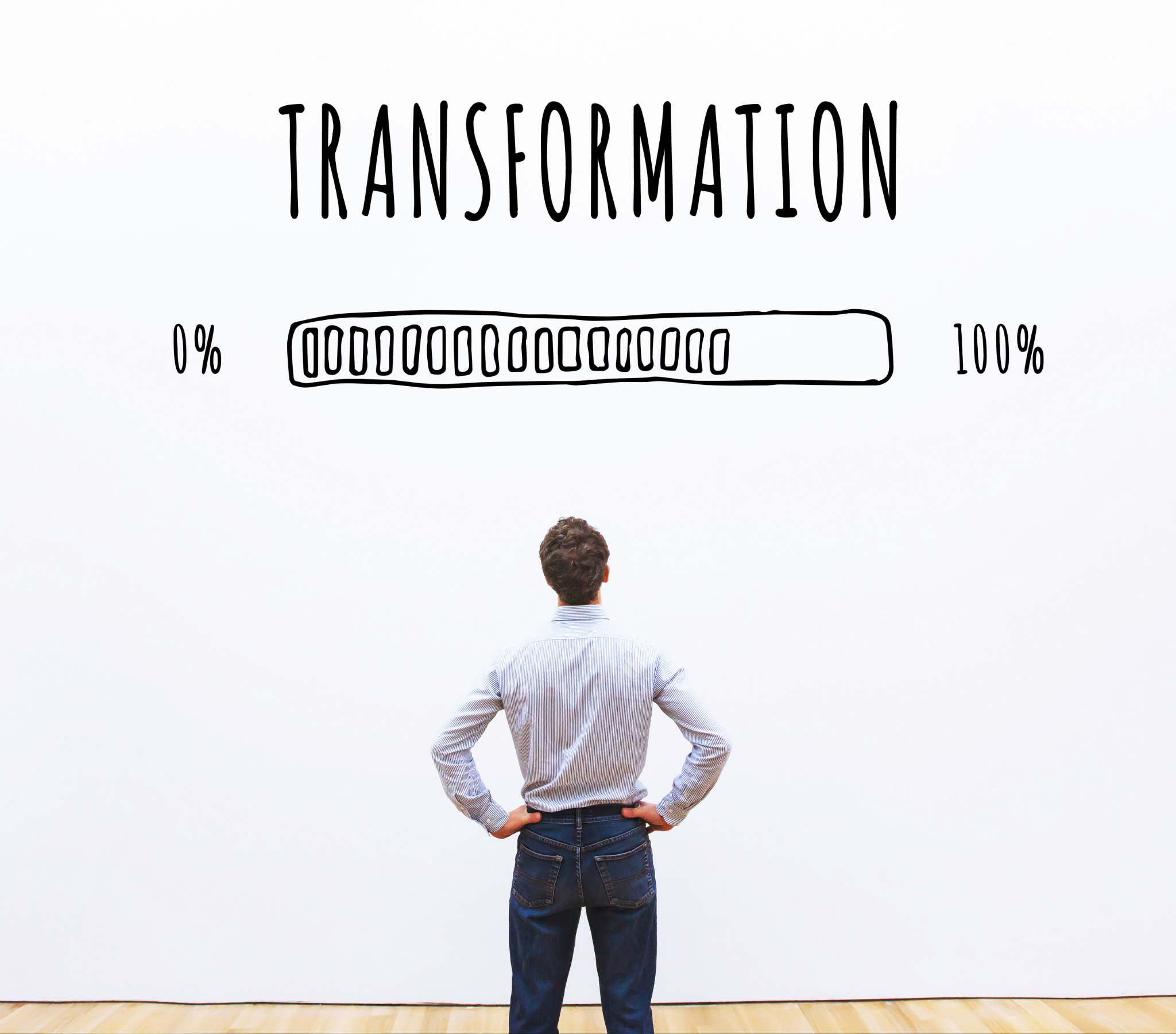
Beyond Organization: The Deeper Benefits
When you consistently use a digital template, something interesting happens beyond just feeling more organized. You start to notice patterns in how you work, what drains you, and what energizes you.
Maybe you notice you're most productive in the morning, so you start scheduling your most important work then. Or you realize certain types of tasks always get procrastinated, which prompts you to figure out why and either eliminate them, delegate them, or find better ways to approach them.
The template becomes not just a tool for tracking what you need to do, but a mirror showing you how you actually spend your time and energy. This self-knowledge is incredibly valuable for making strategic changes to your life.
There's also something profound about breaking the cycle of feeling perpetually behind. When everything is in your system and you're working from your plan rather than reacting to chaos, you reclaim a sense of agency. You're making conscious choices about your time rather than being swept along by urgency and reaction.
Making it a Habit
The key to a template that changes your life is using it consistently. Here's how to make it a habit:
Connect it to other habits. Review your template right after your morning coffee or before you turn off your computer. Connecting it to something you already do makes it more likely to stick.
Make it easy to get to. Pin the tab in your browser, make it your homepage, or put a shortcut on your phone. The easier it is to get to, the more you'll use it.
Start small. Don't try to spend an hour organizing your life every day. Start with 5 minutes of reviewing your template each morning. Once that's automatic, you can do more.
Celebrate small wins. Each time you check something off your list or stick to your plan, notice it. These small rewards help you keep going.
It's okay if it's not perfect. Some days you'll forget. Some weeks will be crazy and you won't update the template. That's okay. What matters is getting back to it, not being perfect.